
We started PlatformBridge to make AI useful inside the way a business actually runs.
Powerful models are only the beginning. The hard part is connecting them to the systems, decisions, permissions, and people behind real work. That is the problem we chose to solve.
The same problem kept showing up.
Anthony spent more than a decade building production software and AI systems. Blake was taking software platforms from an early idea to customers. We were approaching the work from different sides, but the same problem kept showing up.
Once new technology met a real operation, the work became intensely human and specific: sit beside the operator, learn the exceptions, connect the old systems, define who could decide what, and make sure there was a safe path back to a person.
We kept rebuilding that connective work one project at a time. PlatformBridge began with a simple decision: make that layer a product, and stay close enough to the operation to make it work.
The process is never just the process.
Bob has handled invoices for more than ten years. He knows which vendor names never match, which purchase orders are stale, who can approve an exception, and what “done” means when the software says something different.
None of that judgment appears in the workflow diagram. It lives in Bob’s experience and in the conversations that keep the work moving.
We work beside people like Bob, make that hidden context explicit, and turn the repeatable parts into durable software without removing people from the decisions that need them.
Knowledge held by one operator → a capability the company can keep.
The people building PlatformBridge.
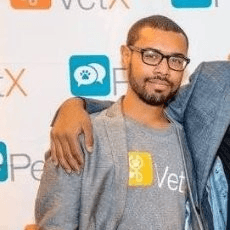
Co-founder
Anthony Rojas
For more than a decade, Anthony has built production software and AI systems and led the engineering teams behind them. At PlatformBridge, he leads the technical work of connecting models to the systems and controls a company already relies on.
LinkedIn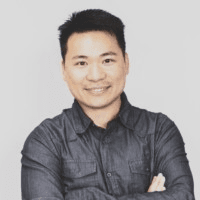
Co-founder
Blake Dong
Blake has taken software platforms from an early idea to customers and revenue. At PlatformBridge, he turns the lessons from each deployment into a product and delivery model the next customer can use.
LinkedInWhat we refuse to compromise.
Understand the operation before automating it.
We begin with the people responsible for the outcome and the work as it really happens, not the process as it was documented.
Keep people in control of consequential decisions.
AI can carry routine execution. People retain authority over exceptions, policy, risk, and the ability to stop the system.
Build durable systems, not disposable demos.
We build within your own private infrastructure and stay accountable after launch. The system should remain useful as your business and technology change.
You don’t need an AI roadmap. Show us the work.
We help identify what to automate, where AI adds value, and which decisions should stay with your team.